

Stop the Shorts: Why We Test Every Single Lamp
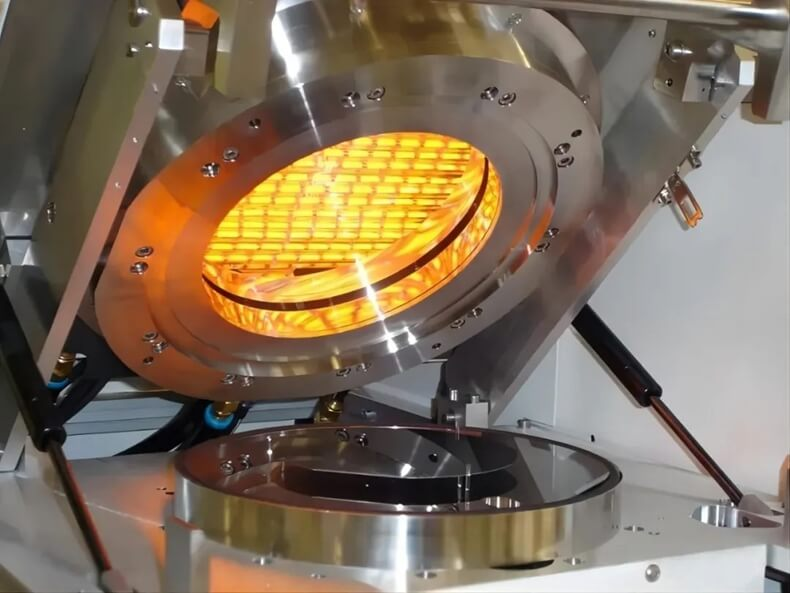
In a high-volume fab drying line, one dead lamp is more than just a nuisance. It can fry a controller or take out your entire electrical rack in a heartbeat. That’s why we don’t just “spot check” our tubes. We run every single one through HiPot and insulation resistance testing before they even leave our shop. It’s not about checking a box. It’s about making sure the quartz is strong and the electrode seals are tight.
The reality of dielectric breakdown
Fab environments are brutal. You’ve got high voltage and constant, rapid temperature swings. If the insulation between the heating element and the housing is off by even a fraction, you get leakage current. To stop that, we push every tube to its rated voltage limit. We’re looking for those tiny current spikes—the kind that tell us there’s a micro-crack in the quartz or some leftover contaminant on the surface. A tube might look fine during a quick glance, but if it can’t handle the full load, it’s a ticking time bomb in your cabinet.
Why we don’t do “sampling”
Sampling is a gamble, and when it comes to electrical safety, gambling sucks. All it takes is one sloppy weld or a pinched lead during assembly to trigger a short circuit. We measure the insulation resistance to make sure the current stays exactly where it belongs: inside the filament. If the resistance dips below our spec? The tube goes in the scrap bin. Simple as that. But here’s the thing. Our tests guarantee the lamp is healthy when it hits your dock, but the rest is up to you. Your on-site wiring and grounding have to be perfect. If your sockets are worn out or your cables are fraying, even the best lamp in the world is going to arc. We bring the hardware. You bring the clean power. When both sides do their part, you avoid those nightmare unplanned shutdowns and keep your operators safe from chassis leakage.