Keeping People Warm in Wet Zones (Without the Headaches)
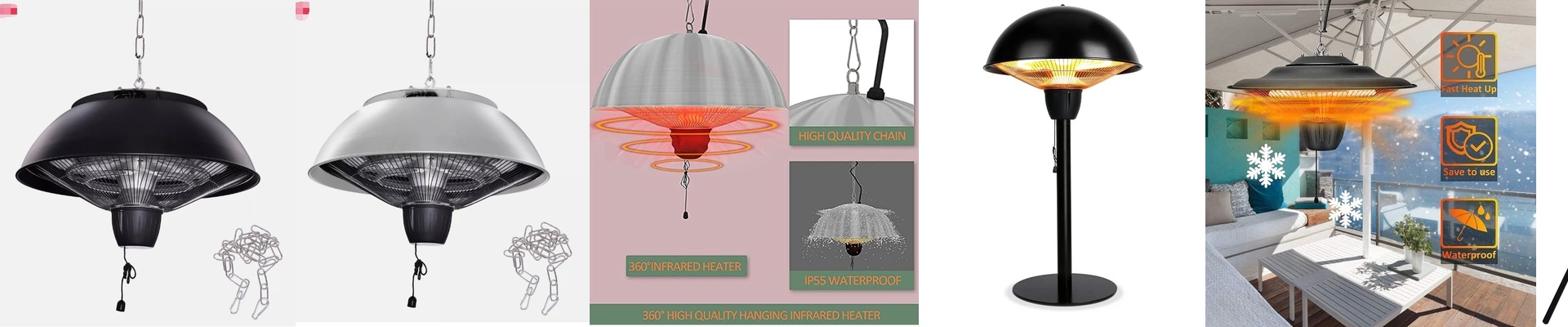
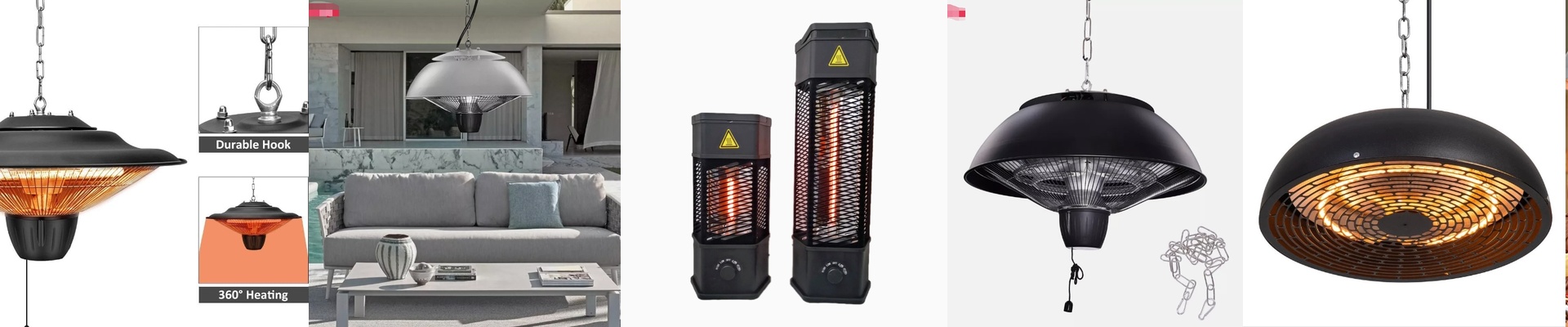
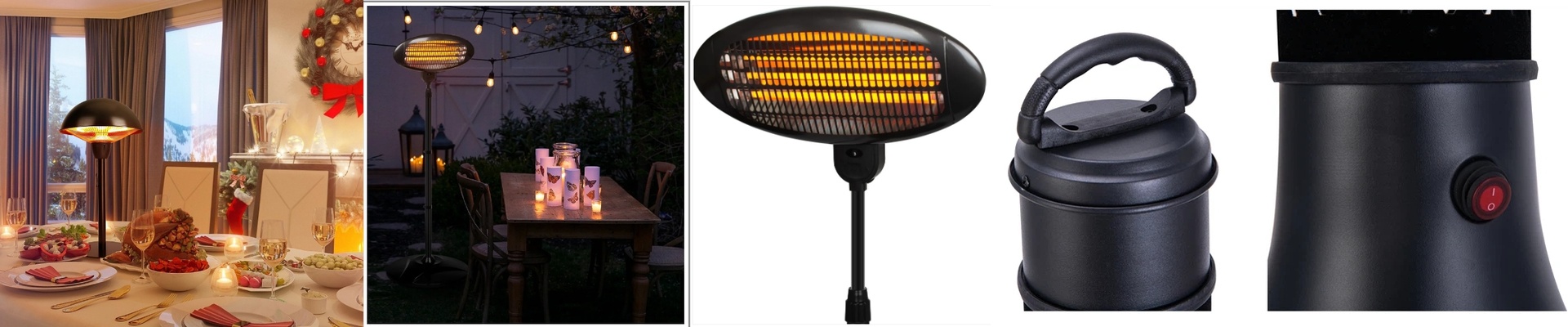
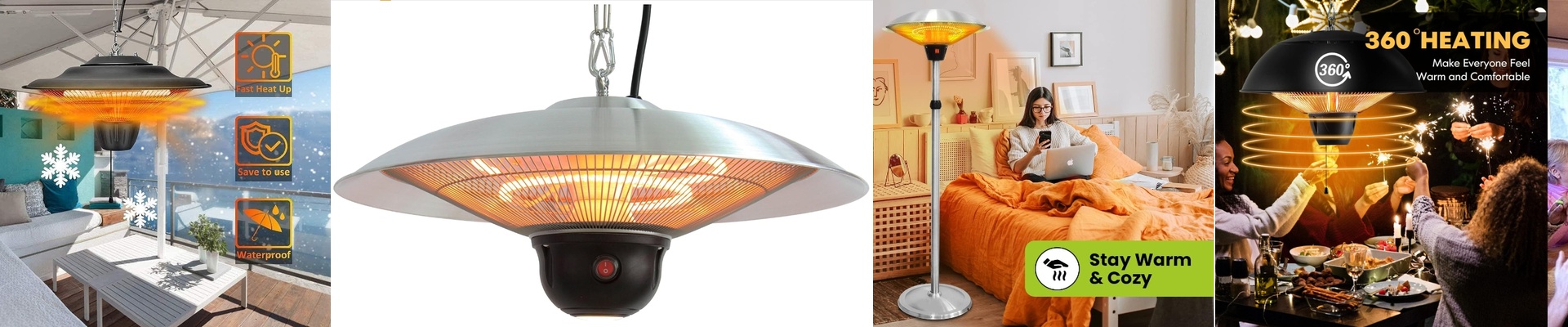
If you’ve ever tried to heat a locker room or that awkward transition space between a shower and a dressing area, you know the struggle. Standard heaters just don’t cut it. They spend forever trying to warm up the air, and in a drafty room, that heat just vanishes. Plus, they hate moisture. That’s why we go with shortwave infrared (SWIR). Instead of fighting the air, SWIR sends energy straight to the skin and the surfaces around it. It’s that instant, deep warmth—kind of like stepping into a beam of sunlight on a cold day. You feel it the second you turn it on.
Dealing with the Splash Factor
Let’s be real: in a changing area, things get wet. Water splashes everywhere. To handle this, we use an IPX4 rating. In plain English? It means the housing and the electrical bits are sealed tight against splashes from any direction. We spend a lot of time making sure the cable entries and the reflector gaskets are bulletproof. It’s a big deal. If a seal fails and water gets in, that quartz tube will crack from the thermal shock, or worse, you’ll end up with a short circuit. Nobody wants that.
The Science (The Simple Version)
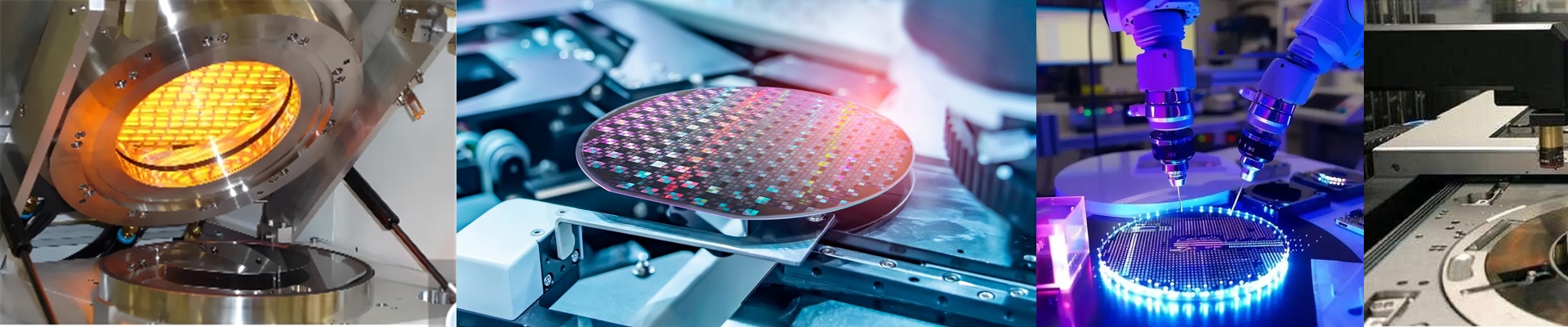
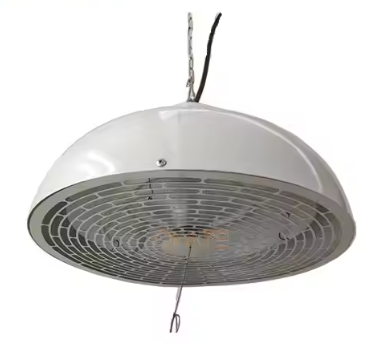
Inside these units, there’s a tungsten filament tucked into a quartz envelope. As soon as you flip the switch, that filament hits its peak temperature in a matter of seconds. Because it’s shortwave radiation, the heat actually sinks deeper into your body. It’s that luxury “hotel feel” where you’re warm instantly, even if the room around you is freezing. One thing to keep in mind: we use high-wattage elements to keep the units compact. But that means the chassis getshot. Really hot. Make sure you leave plenty of breathing room between the heater and anything that could catch fire.
A Few Tips for Installation
You can’t just plug these into any old outlet. You’ll need a dedicated circuit and moisture-resistant conduits to keep things safe. Since these lamps pull a lot of power to get that fast ramp-up, make sure your breakers are sized right. Otherwise, you’ll be dealing with annoying trips every time someone turns the heat up. And if you’re swapping out an old heater for a new SWIR unit, do yourself a favor: check the existing wiring first. Make sure it can actually handle the amperage before you plug it in and pray.