

Stop Guessing Your Temps: A Real Look at IR Sensing in the Fab
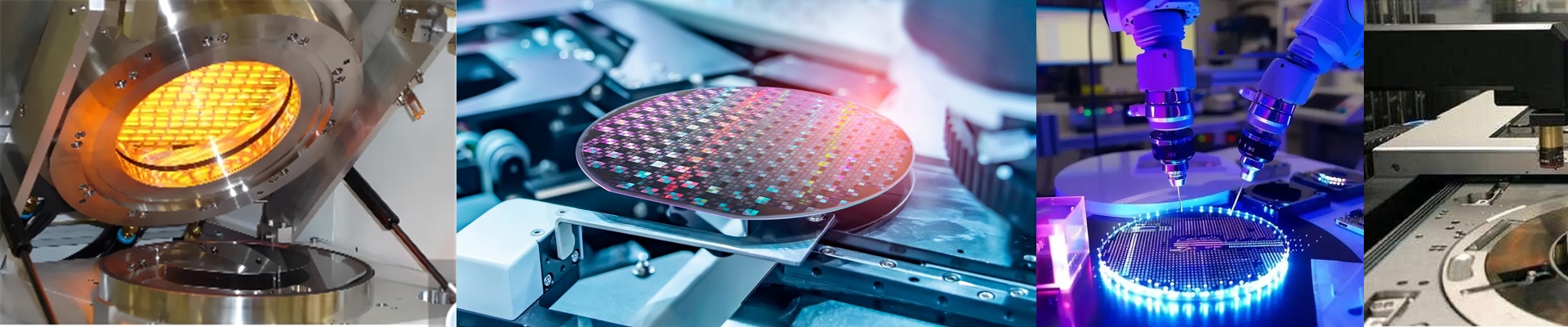
If you’re trying to build a modern fab, the first thing that has to go is the manual temperature check. Honestly, walking around with a handheld probe or relying on old-school logs just doesn’t cut it anymore. We’ve moved toward smart sensor packaging for infrared (IR) systems because it turns raw heat into something you can actually use. It’s the only way to really digitize your production. The problem with the old way Think about thermocouples. They only tell you what’s happening at one tiny spot. They’re slow, and they miss everything else. IR systems are different. They give you a full heat map in real-time. When you put these into your packaging line or semiconductor fab, the guesswork disappears. You can see exactly where heat is pooling or where a random cold spot is eating into your yield. It’s like turning the lights on in a dark room. Making the hardware actually talk To make this “smart,” we pair the emitters with high-res sensors that plug straight into your PLC or SCADA. Here’s why that matters: closed-loop control. If the sensor catches a 2°C dip in a target zone, the system just bumps the power. Immediately. No one has to flip a switch or tweak a dial. You get a much tighter grip on your thermal profiles. Plus, since it’s all wired into your digital architecture, you can track every single batch. You end up with a digital twin of the heat cycle for every unit that rolls off the line. The stuff they don’t tell you in the brochure Now, let’s be real—IR sensing isn’t magic. It has its quirks. Reflective surfaces or a bit of smoke in the fab can trick the sensors. If you don’t nail the emissivity settings for your specific materials, your data will be wrong. Period. And a heads-up on your tech: high-speed data polling hits your network hard. If you’re running dozens of these sensors across the floor, make sure your industrial Ethernet can actually handle the traffic, or things will get laggy. But once you get it dialed in? You stop reacting to disasters and start predicting them. You’ll find the failure before the part actually burns out.