

Why We Use Gold Reflectors for IR Curing
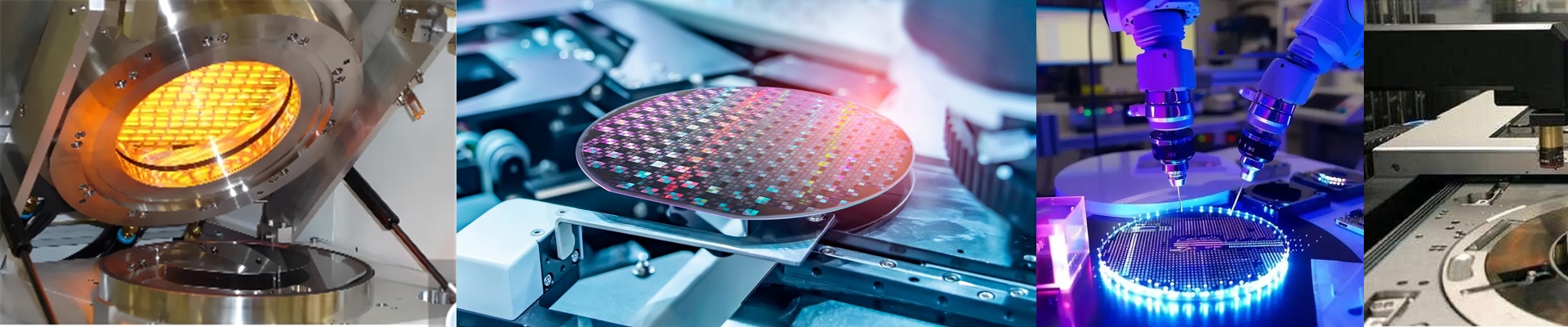
The semiconductor world is pushing hard toward lead-free and zero-emission standards. That’s great, but it makes the old way of doing things—those big convection ovens—look like a waste. Think about it: you’re spending a ton of energy just to heat up the air and the walls of a metal box. It’s inefficient. That’s why we switched to IR bulbs paired with gold reflectors. We stopped trying to heat the air and started focusing on direct radiation. The trick with the gold Here is the thing about a standard IR bulb: it throws heat in every direction. 360 degrees. In a curing line, any heat going backward is just wasted money. We fix that by using a high-purity gold-coated reflector to bounce all that energy forward. Now, you might wonder why gold instead of aluminum. It’s simple. Gold is just better at reflecting infrared wavelengths. It packs the heat flux right onto the wafer. You get a much denser hit of heat exactly where you need it, without having to crank up the power bill. Keeping it clean If you’re working with lead-free solders or adhesives, you know they’re picky. If you overheat the circuitry, you’re in trouble. IR curing lets us hit specific absorption bands without the guesswork. Since we’re moving heat via photons rather than blowing hot air around, there are no combustion byproducts or nasty VOCs floating around your cleanroom. It’s just clean, quiet electricity. The catch It’s not all magic, though. There are trade-offs. This setup lets us shrink the equipment and cut drying times way down. But you have to be obsessed with your distances. Because that gold reflector creates such a tight, concentrated beam, being off by just a few millimeters can create a hot spot. One wrong move and you’ve burned the substrate. You need your jigging to be spot on. But once you’ve got that dialed in? It’s the smartest way to handle drying. You ditch the chemical solvents and drop your kilowatt-hours per unit. As long as your cooling system can handle the radiant load, you can crank up the line speed and stop worrying about thermal drift.