

Cutting Carbon in the Fab: Why Precision IR is the Way to Go
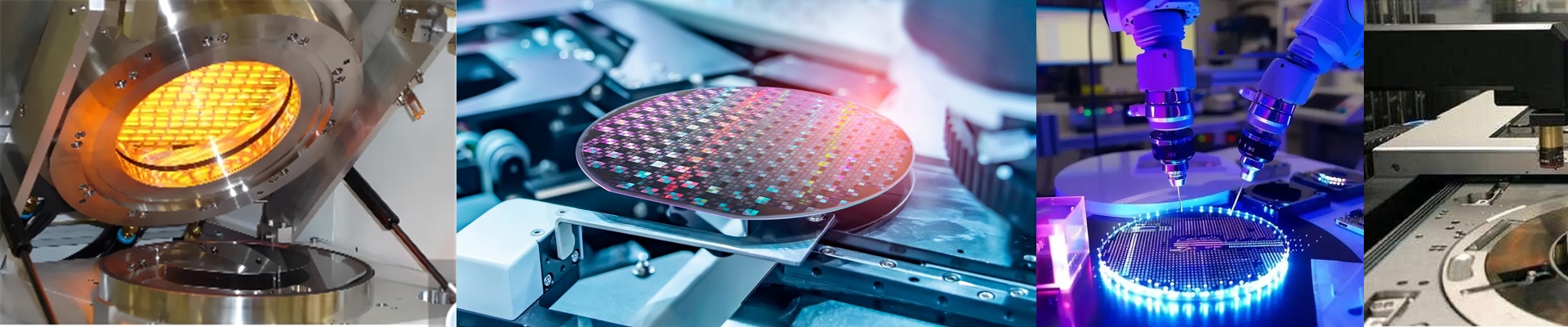
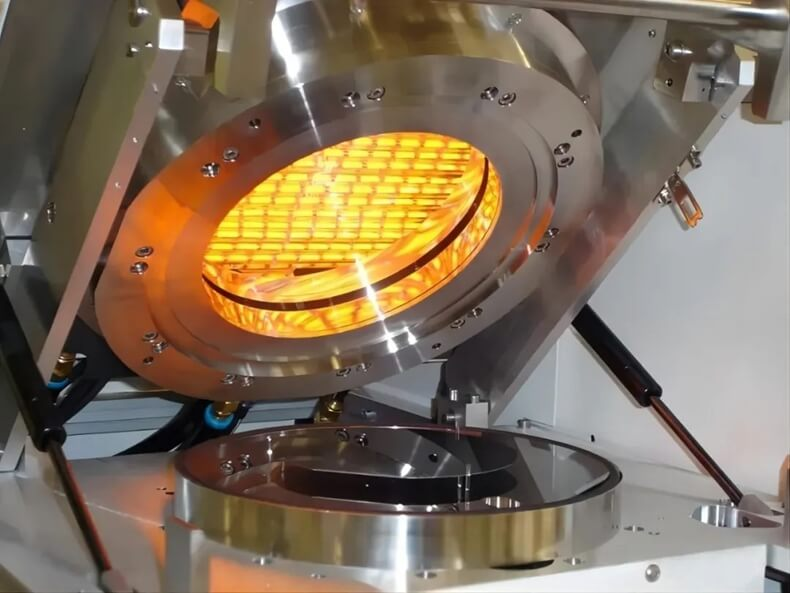
Everyone’s talking about carbon neutrality in semiconductor fab design these days. Honestly? A huge part of that comes down to how we heat things. The old-school resistive heaters are just wasteful. They try to heat up the entire chamber, which is like trying to warm up a whole room just to heat one cup of coffee. That’s where precision Infrared (IR) lamps come in. Instead of heating the air, they hit the wafer surface directly.
Getting the heat where it actually belongs
Most energy waste in wafer processing happens because of convection—heat just drifting away where it isn’t needed. IR systems fix this by using shortwave radiation. We’ve dialed in these lamps to deliver high heat density in very tight bands. It means you hit your target temperatures in seconds. Not minutes.Seconds. When you’re running a high-volume line, those saved minutes add up to a massive drop in kilowatt-hours. Your carbon footprint shrinks, and your throughput goes up. It’s a win-win.
The gear that makes it work
Nobody wants contaminants on a wafer. To stop that, we use high-purity quartz envelopes. They’re tough. They can handle extreme thermal cycling—heating up and cooling down over and over—without cracking. But the real secret is the closed-loop feedback. We’ve tucked in precision IR sensors that watch the wafer’s surface in real-time. If the temperature drifts, the system adjusts the power instantly. You don’t have to worry about overshooting your setpoint or, even worse, burning out a batch of wafers.
The “Gotcha”: Cooling
Here is the thing: you can’t just slide these high-density IR arrays into an old chassis and call it a day. While the wafer gets the heat it needs, the lamp housing and electrical leads still get hot. Really hot. If you don’t rethink your cooling setup, you’re going to have problems. You’ll need to spec out your chilled water loops to handle that concentrated heat load right at the lamp mounts. If your cooling is too small, your lamps will die early and your sensors will start drifting. It’s a headache you definitely want to avoid. Moving to targeted energy instead of broad heating isn’t just a nice-to-have. If you’re chasing that green factory certification, it’s pretty much a requirement.